

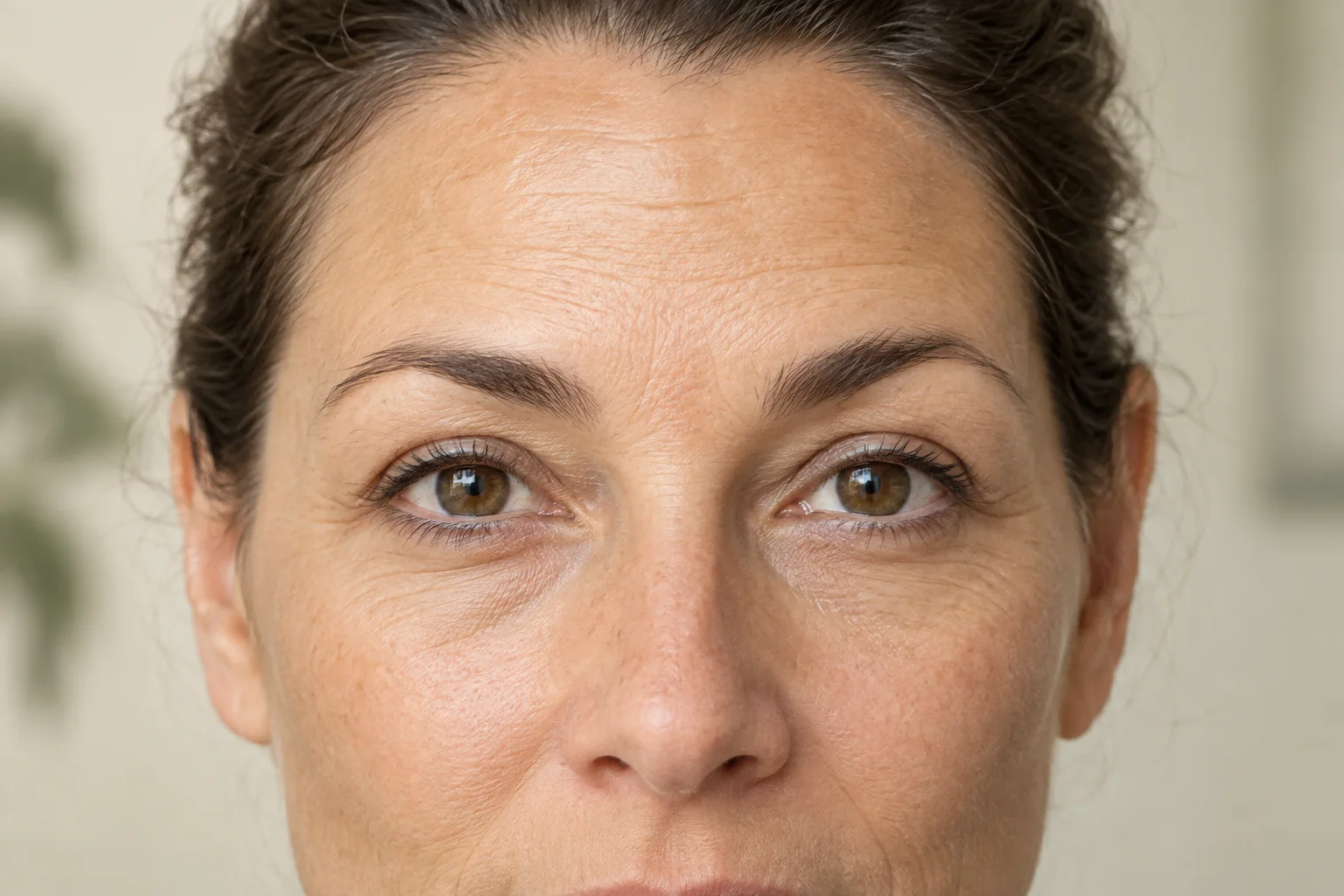


What is assessed during the examination?
The hairline, brow level, facial symmetry, skin and soft tissues are examined. Excess eyelid skin is distinguished from brow ptosis, and reduced cheek volume is distinguished from tissue descent. Previous procedures, medications used, smoking and general health status are also included in the planning.
How is the endoscopic approach performed?
The camera allows the surgeon to view the area reached through the incision on a screen. In upper face procedures, incisions are often planned within the hair-bearing scalp. How the tissues are adjusted and secured depends on the procedure being performed. Incision location, anesthesia and the need for any additional procedure are determined after examination.
What to expect during recovery
Swelling, bruising, tightness and temporary changes in sensation may occur. Initial wound healing and the settling of tissues are not the same process. The recommendations of the operating surgeon regarding wound care, follow-up visits, return to work and exercise should be followed. The appearance in the early period should not be regarded as the final result.
Risks and non-surgical options
Risks such as bleeding, infection, scarring, asymmetry, hair loss, changes in sensation and nerve involvement are assessed according to the area treated. Small incisions do not eliminate these risks. Expression lines, volume loss and tissue descent are different problems; Botox, fillers and different surgical methods are therefore not intended to achieve the same result.
Questions you may ask during the consultation
- Which area and which change does the recommended procedure target?
- What are the incision sites, anesthesia and the expected stages of recovery?
- Are there non-surgical alternatives or different surgical approaches suitable for me?
- How will the follow-up schedule and return to daily life be planned?
Frequently asked questions
Is endoscopic facial surgery a single operation?
No. Endoscopy refers to the imaging approach used. The goal and scope of the procedure differ for the brow, forehead, temple and midface.
Are brow lift and forehead lift the same procedure?
Both terms can be used for approaches addressing the same upper face area. During the examination, which tissues the procedure covers and the intended brow position are clarified.
Is this a scarless method?
No. Although incisions are often planned within the hair-bearing scalp, scarring does occur. The location and visibility of the scar depend on the technique used, the hairline and healing.
Sources and information
This content is for general information only; it does not replace personal diagnosis, treatment advice or a medical consultation. The applicability of recommendations in these sources depends on your individual situation and local practice.
- American Society of Plastic Surgeons — Brow lift vs forehead lift: What is the difference?
- American Society of Plastic Surgeons — Brow Lift: Procedure Steps
- American Society of Plastic Surgeons — Brow Lift: Recovery
- American Society of Plastic Surgeons — Brow Lift: Risks and Safety
- American Society of Plastic Surgeons — Comparing upper facelift, mid facelift and lower facelift