


Surgical treatment for migraine and nerve compression.

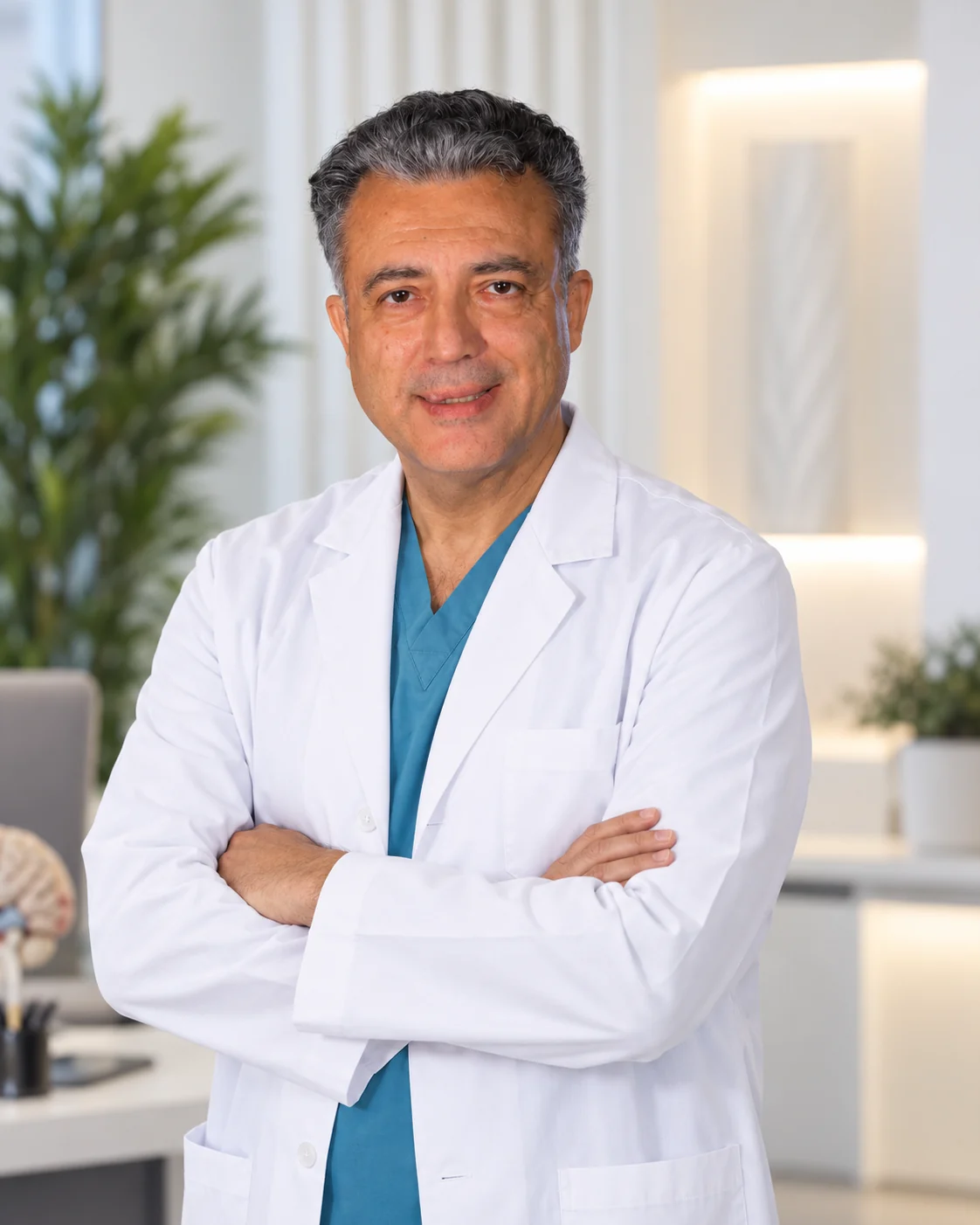
Assoc. Prof. Dr. Tayfun Türkaslan evaluates patients for migraine surgery, migraine Botox, peripheral nerve compression and endoscopic surgery.

Doç. Dr. Tayfun TürkaslanMigren ve Periferik Sinir Cerrahisi
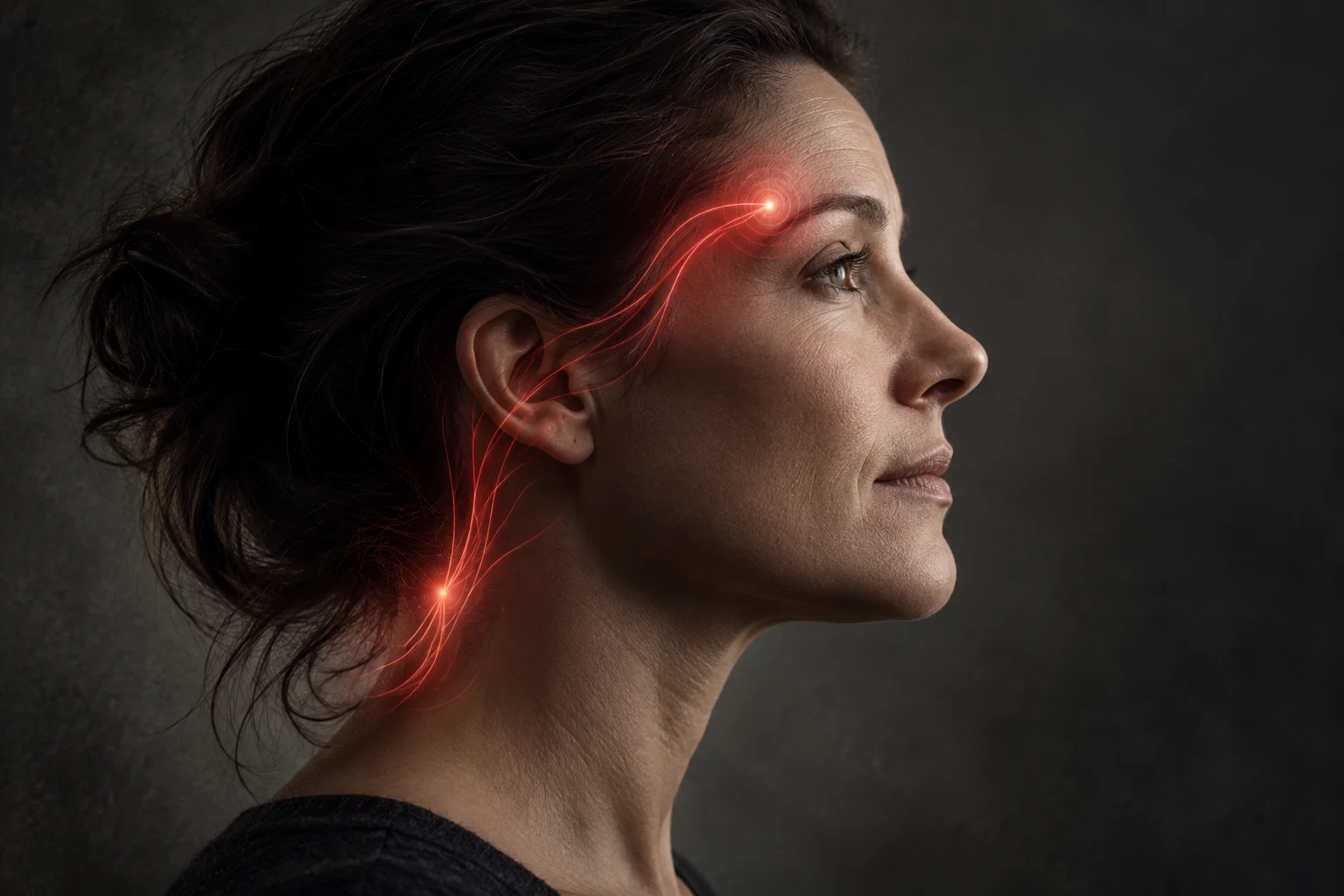
Illustrative image representing migraine pain
Migraine surgeryIstanbul, Türkiye
Doç. Dr. Tayfun Türkaslan
Doç. Dr. Tayfun Türkaslan Migraine and Peripheral Nerve Surgery
About Us

Doç. Dr. Tayfun Türkaslan

Specialist in Plastic, Reconstructive and Aesthetic Surgery. Evaluations are carried out for migraine surgery, migraine Botox, nerve compression, and endoscopic surgery.

He graduated from Ege University Faculty of Medicine in Izmir. Having passed the national Medical Specialization Examination (TUS) the same year, he began his residency training in the Department of Plastic, Reconstructive and Aesthetic Surgery at Istanbul University Cerrahpaşa Faculty of Medicine.

After 16 months there, he worked for 7 years at the hospital formerly known as Vakıf Gureba Training and Research Hospital, now Bezm-i Âlem University Faculty of Medicine Hospital. In 2010 he received the title of Associate Professor in the field of Plastic, Reconstructive and Aesthetic Surgery.

  • Graduate of Ege University Faculty of Medicine
  • Residency training at Cerrahpaşa Faculty of Medicine
  • Experience at St James's University Hospital, Seacroft, England
  • Became Associate Professor of Plastic, Reconstructive and Aesthetic Surgery in 2010
Process

Consultation and follow-up process

  1. Examination and Evaluation

    Your symptoms are discussed in detail and a physical examination is carried out.

  2. Diagnosis

    Your history and examination findings are assessed; further tests are requested if needed, based on your symptoms.

  3. Planning

    Suitable options for your situation are evaluated and planned together with you.

  4. Follow-up

    Your progress is then monitored through follow-up appointments.

About Migraine Surgery

A method discovered by chance

Like many discoveries in science, migraine surgery was found by chance. In the late 1990s, it was noticed that patients' chronic headaches resolved after endoscopic forehead surgery, and research into this effect intensified.

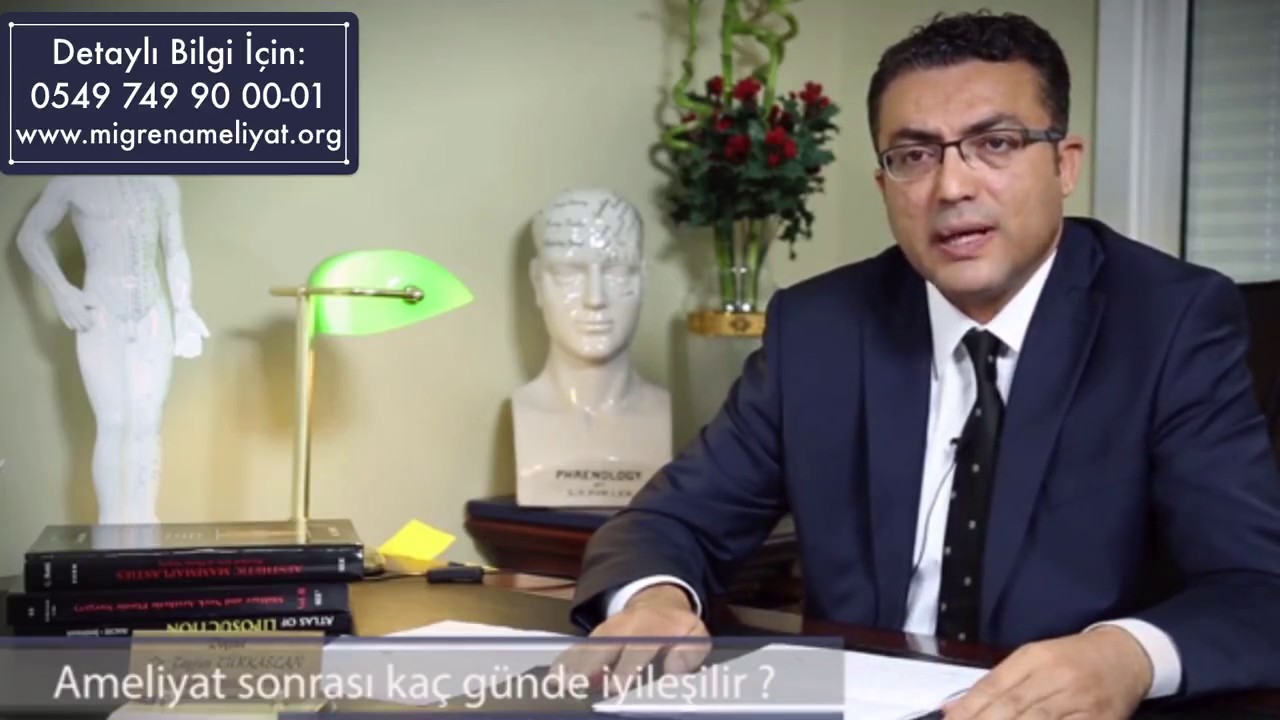
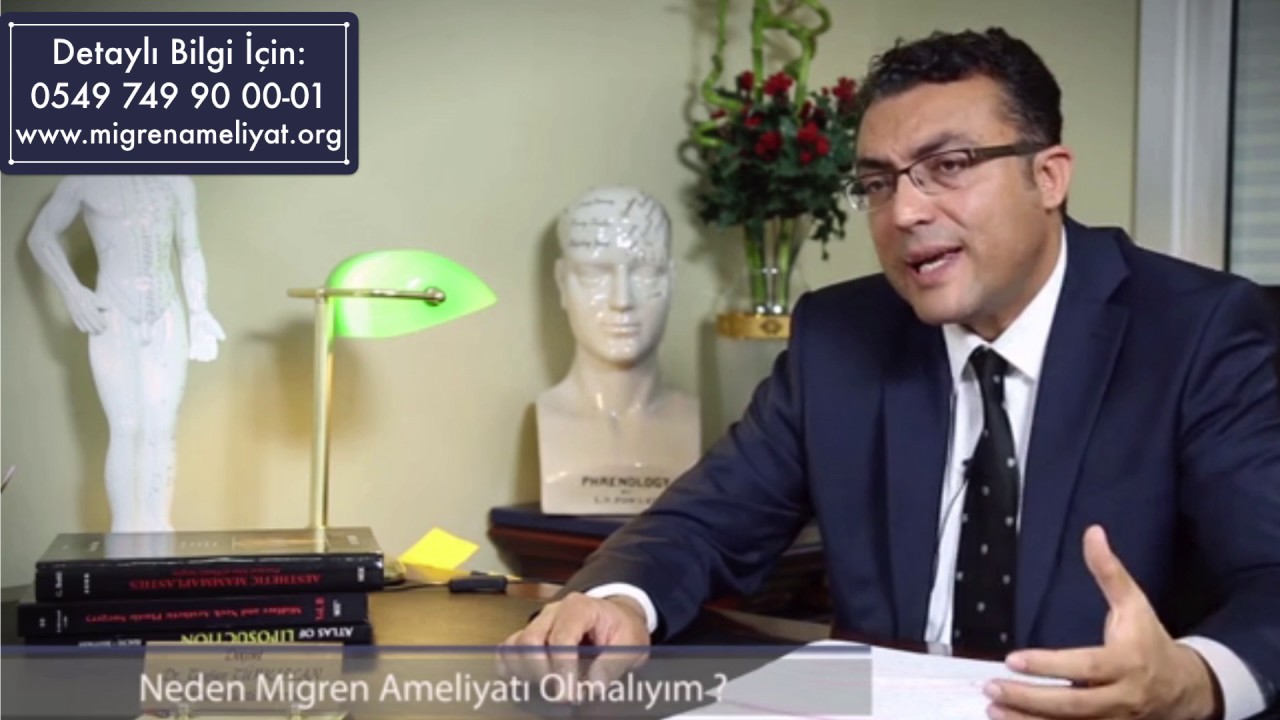
I have explained the details of migraine surgery that patients often ask about — who is suitable, whether there is an age limit, and what the recovery process looks like — in the videos section of our website. If you watch these videos carefully, you will learn a great deal of essential information.

Also in the late 1990s, it was noticed that Botox (onabotulinumtoxinA) produced effects similar to surgery. Botox works by relaxing the mimetic muscles; just as in endoscopic forehead surgery, "temporarily" relaxing the muscles that press on the cranial nerves has produced successful outcomes in patients with chronic, treatment-resistant migraine. Since the FDA (U.S. Food and Drug Administration) approved Botox for this use in 2010, it is now widely used as a preventive treatment.

In principle, Botox and migraine surgery work in a similar way. The difference is that Botox's effect is temporary, requiring 3 to 4 treatments per year. In a sense, Botox serves as a kind of confirmation or proof of what surgery can achieve. For this reason, a Botox trial can help determine in some patients whether they are likely to benefit from surgery. This trial is different from aesthetic Botox applications and is used for diagnostic purposes.

Migraine surgery is performed under minimally invasive, minimally traumatic conditions. This means the incisions are very small, yet the effect of the procedure is significant. Unlike medication, migraine surgery has no side effects and works in harmony with the body's anatomy and physiology; in my view, it is among the most important discoveries of the 2000s, and major advances continue to be made in this field.

Of course, only those who have lived with chronic headaches and migraine can truly understand this burden. Migraine surgery makes it possible to give patients their quality of life back, and to help them reclaim the years they had lost to the condition.

The greatest advantage of migraine surgery is the rapid recovery it allows thanks to very small incisions. For example, temporal and frontal migraine can be treated endoscopically through incisions hidden in the hair. Frontal migraine can also be treated through an upper eyelid crease incision, with success rates reported as high as 90% for this area.


With hopes of meeting on days free of disability, free of pain — days that are free and happy.

Doç. Dr. Tayfun Türkaslan
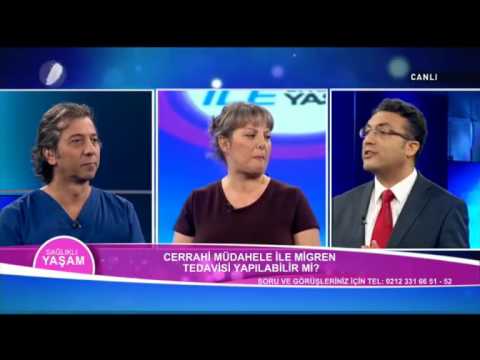
In the Press

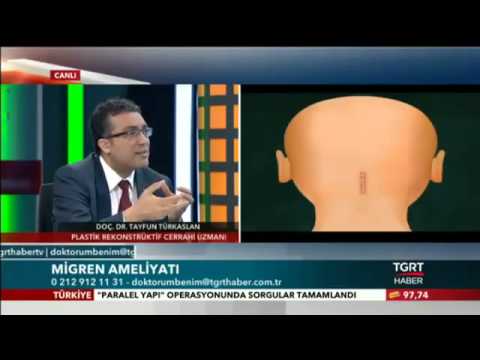
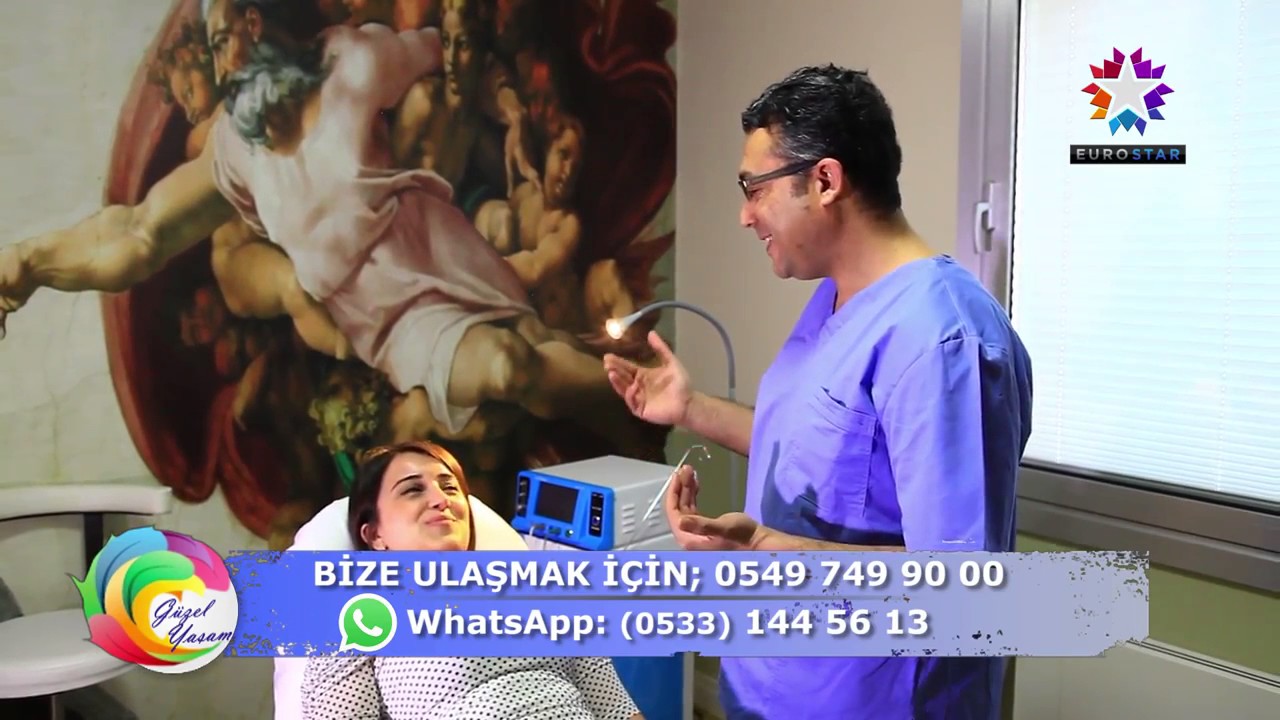
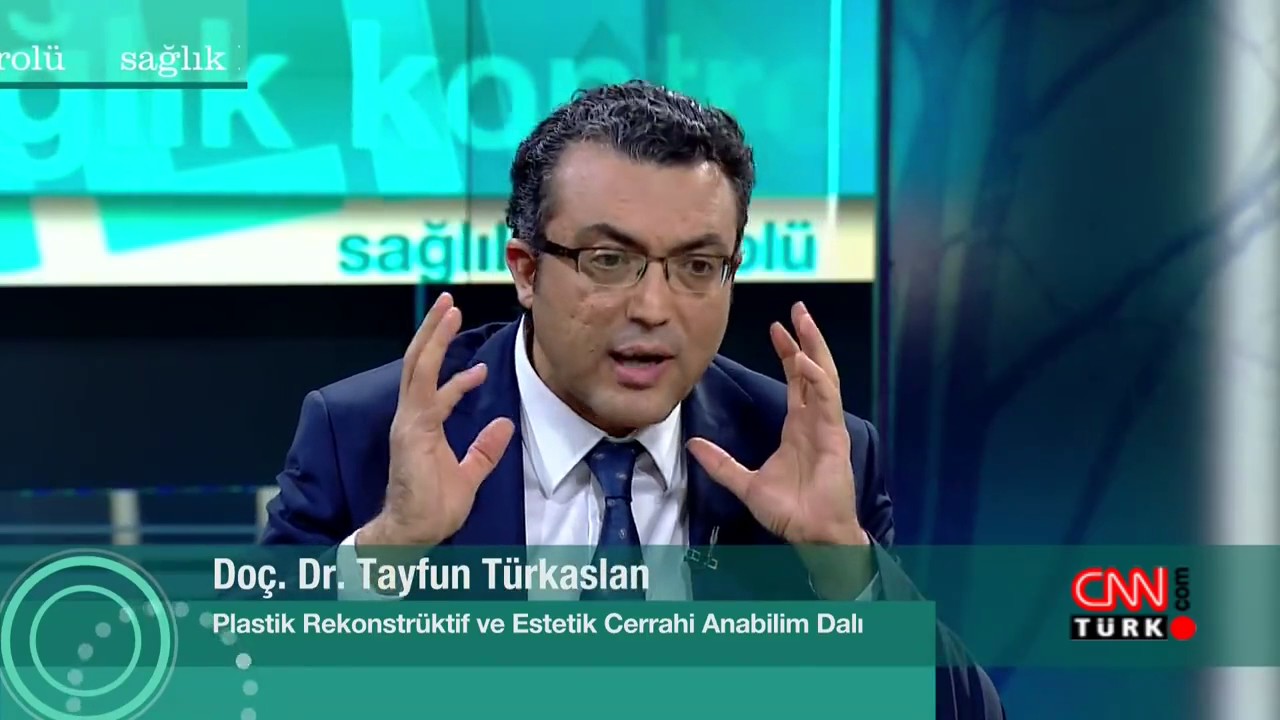
Press Coverage

Randevu talebi

Bilgilerinizi bırakın, randevu için sizinle iletişime geçelim.

Ülke kodunu seçin; numaranız otomatik biçimlendirilir.

Bilgileriniz Türkiye’de işlenir. Bu formda ayrıntılı sağlık bilgisi istenmez. GDPR